
A percentage needs a frame
A result such as “up 12 percent” leaves several questions unanswered. Twelve percent of which starting capital, over which dates, with what exposure and after which costs? A performance claim becomes reviewable when those details are available. Investor.gov advises readers to examine how performance is calculated and warns that past results do not necessarily predict future outcomes. [1] The first task is to understand the calculation rather than decide whether the headline sounds impressive.
Keep the comparison period identical
For a hypothetical review of two gold approaches, use the same start and end dates. List whether deposits or withdrawals occurred and whether each result is actual, simulated or back-tested. A back-test and an executed account record are different evidence types. A percentage from an unusually favourable month should not be silently compared with another method’s multi-year experience. Back-testing limitations provide the companion enquiry. This is a comparison worksheet, not a report of any project’s achieved returns.
Ask what the result required
Record the exposure, costs and adverse movement associated with the result. Identical headline returns do not establish identical risk. Investor.gov also notes that benchmark choice matters and that benchmark returns may omit expenses an investor actually pays. [1] Apply that principle carefully: a long-only gold reference and a leveraged trading approach do not automatically describe the same commitment. Margin and loss budgets explain one reason a superficially small entry requirement can conceal a larger exposure.
Retain the unflattering information
Include periods and trades that did not support the preferred story. Ask for the calculation method and which costs were excluded before drawing a conclusion. The Gold Trader’s Code is related reading into rules and execution discipline. Combined exposure adds an account-wide check. A good review can end with “not enough information to compare.” That is a more defensible result than assigning confidence to a percentage whose denominator and assumptions remain unknown.
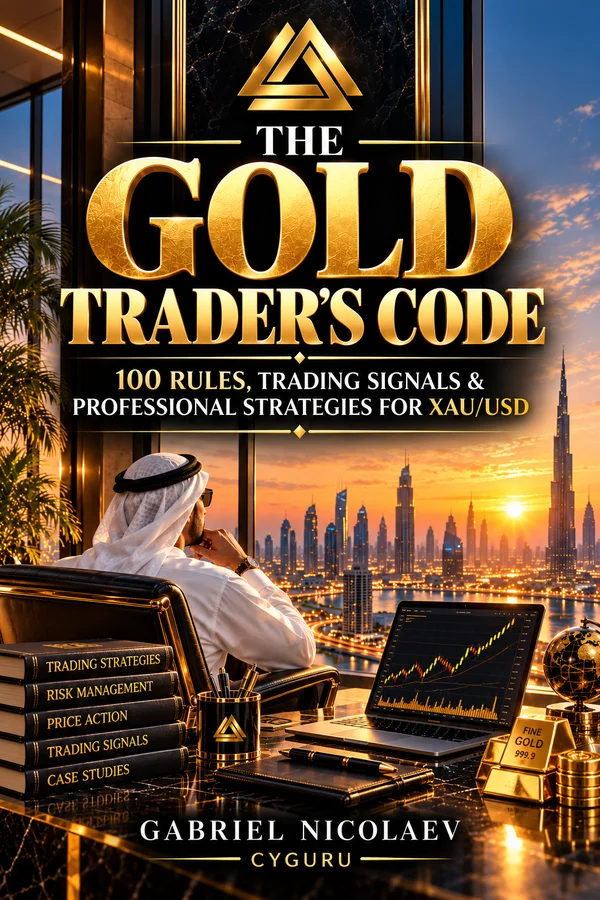
The Gold Trader’s Code
Continue the study of rules and professional trading decisions.
Discover the book ↗Read the book overview →Sources & further reading
Sources consulted 1 November 2026. Editorial frameworks and illustrative examples are identified within the text.