
The ticket count can hide the common assumption
Three open tickets can look more distributed than one. If each depends on the same directional move in gold, the underlying question may still be singular. The position labels do not create independent sources of protection. Investor.gov describes diversification as spreading investments and notes that even multiple funds can overlap substantially. [1] Applying that general principle to a trading worksheet means inspecting what the positions share, not treating this article as a recommendation for a particular allocation.
Describe the combined scenario in plain language
Before opening another position, write one sentence: “If gold moves against this shared direction, these positions could lose together.” Then list contract units, direction, account currency and the assumptions behind each intended exit. Use the actual instrument specification; a familiar ticker does not make contracts interchangeable. Position size supplies the individual-trade question. The combined sheet adds a second question: what changes when every open commitment is considered at once?
An illustrative worksheet, not a forecast
Imagine two hypothetical long positions with intended losses of 60 and 90 account-currency units at their planned exits. Under those assumptions, the combined intended loss is 150. This arithmetic does not guarantee the realised loss: execution, gaps and costs can change it. Nor does a third trade become safer because it has a different strategy name. Record whether its outcome still depends on the same market move. Stop and execution prices explain why intended and realised exposure need separate records.
Review the book of decisions
A new setup should pass both its own rules and a review of the commitments already open. Ask whether it adds a distinct idea, repeats an existing one or quietly increases concentration. The Gold Trader’s Code is the related book for examining rules and execution discipline. Keep a dated snapshot of the combined scenario before the next order. Reviewing only the latest ticket leaves the rest of the decision outside the frame.
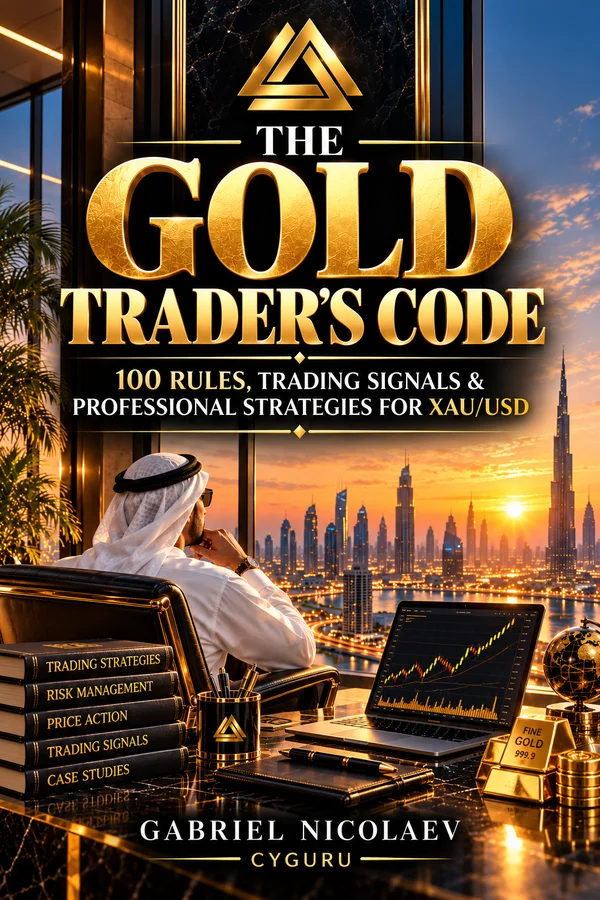
The Gold Trader’s Code
Continue the study of rules and professional trading decisions.
Discover the book ↗Read the book overview →Sources & further reading
Sources consulted 30 October 2026. Editorial frameworks and illustrative examples are identified within the text.