
A chart does not complete a trading plan
A trader can describe a possible direction in gold without having decided how much exposure to accept or what would invalidate the idea. Those are different questions. ‘I think price could rise’ describes a view. It does not specify an instrument, the cost of execution, the planned exit or the consequences of being wrong. The purpose of a pre-order framework is to bring these missing parts into the same conversation.
Identify what you are trading
Investor.gov’s commodities overview distinguishes commodities and the financial arrangements through which investors may gain exposure. [1] In practice, educational discussion should identify the instrument under consideration rather than treating every reference to gold as the same transaction. Physical ownership, a fund and a leveraged trading product can have different structures. Before using any product, read its documentation and understand its costs and risks. A general framework cannot establish its suitability for an individual.
Three lines before execution
Write the thesis in one line: what observation supports the trade? Write the exposure in a second: what position is being considered and what loss could occur under the assumptions? Write the invalidation condition in a third: what would make the original reasoning no longer applicable? These questions do not generate a signal. They reveal whether the intended action has been thought through. Where execution conditions differ from the assumptions, the realised result can differ as well.
Review the decision independently of the result
An illustrative winning trade may still have violated the trader’s rules; a losing one may have followed them. Evaluating only the outcome can hide that distinction. A useful review therefore records what was known before the order, which rules applied and what was actually done. Describe the urge to act if it was relevant, but do not turn that observation into a diagnosis. This is where market education meets the human factor: a repeatable process for examining decisions without promising certainty about price or performance.
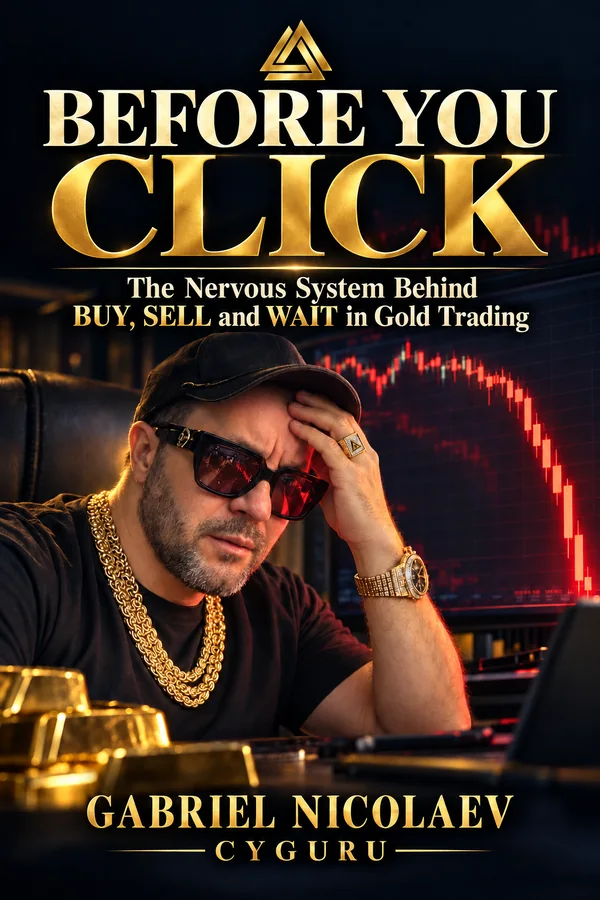
Before You Click
The moment before the order.
Discover the book ↗Read the book overview →Sources & further reading
Sources consulted 26 October 2026. Editorial frameworks and illustrative examples are identified within the text.