
A break is an observation, not an explanation
You stop working, sit down and still feel depleted. It is tempting to decide that rest has failed or that your nervous system is stuck. A more useful first step is to describe what happened: how long you paused, whether you slept, and what changed afterwards. Time away from a task and the subjective experience of feeling restored are different observations. Neither alone identifies the cause of persistent tiredness.
Give the word tired more detail
Does tired mean sleepiness, reduced motivation, physical exhaustion or difficulty concentrating? The distinctions matter when deciding what to investigate. The National Institute on Aging discusses sleep in the context of health conditions and medicines, illustrating why a sleep question can require more than a routine change. [1] Keep a brief record of timing and circumstances rather than assigning a cause from one difficult day. Persistent or unexplained fatigue deserves clinical assessment.
Make the comparison specific
Consider a hypothetical person who answers work messages throughout a planned break. The calendar shows an hour off, while the activity record shows continuing work. That discrepancy is useful without needing a biological diagnosis. Compare interruptions, bedtime and daily commitments across several ordinary days. Fatigue and sleepiness offers a related starting point. Avoid changing many habits at once if your purpose is to understand which difference, if any, matters.
Continue the enquiry
The book Breath provides the author’s perspective on respiration and responding under pressure. Read it alongside the evidence surrounding relaxation techniques, keeping a conceptual framework separate from an individual assessment. For a wider selection of health reading, explore the MEDICINAS reading room. A useful outcome is a clearer description of your experience and a better question to take into an appropriate consultation, rather than a confident label with little supporting evidence.
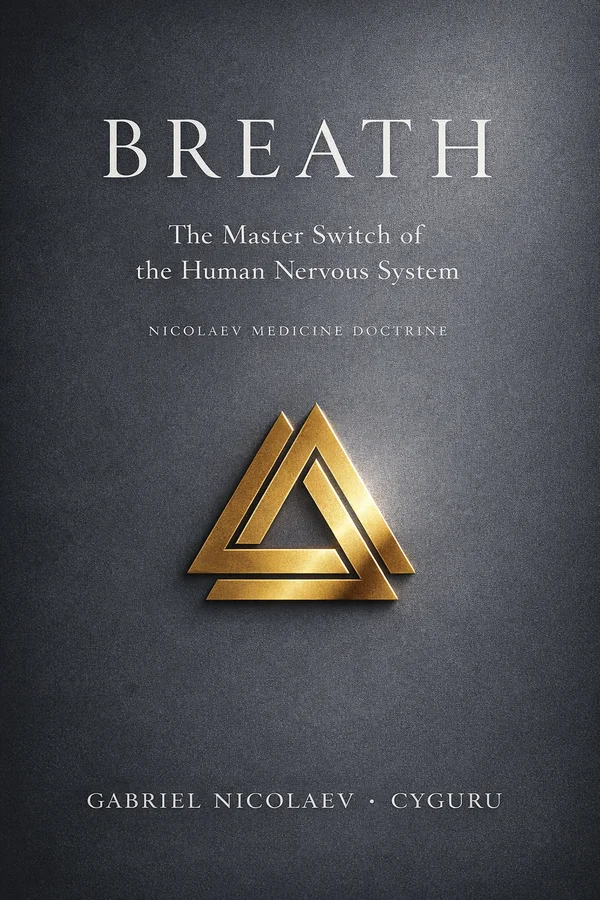
Breath
Explore the breathing theme in the author’s collection.
Discover the book ↗Read the book overview →Sources & further reading
Sources consulted 28 October 2026. Editorial frameworks and illustrative examples are identified within the text.