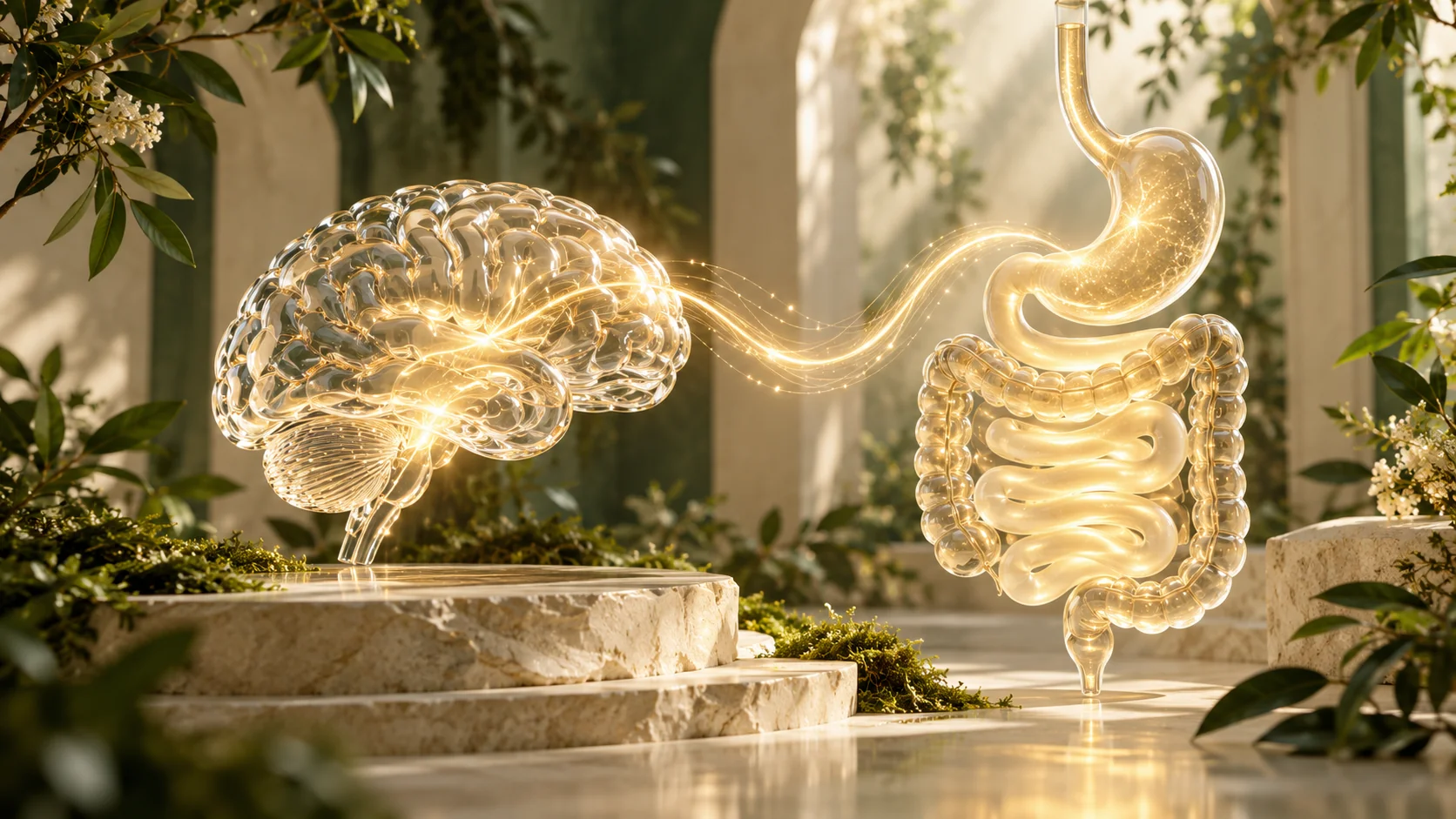
Define the practice first
Relaxation is a broad word. NCCIH discusses several approaches, including breathing practices, guided imagery and progressive muscle relaxation, and reviews evidence for particular uses. It also notes limitations and safety considerations. [1] Grouping every technique into one category can make an advertisement sound more persuasive than the research supports. Begin by identifying the exact practice and the outcome it is supposed to produce.
A feeling and a treatment outcome are different
Someone may enjoy a quiet session or report feeling calmer afterward. That experience matters to the person, but it does not automatically demonstrate a lasting change in a disease or a specific biological mechanism. Ask what the claim actually says. Is it about immediate experience, continued functioning or a medical endpoint? A clear answer makes it easier to compare the promise with the evidence cited for it.
Check whether the evidence matches
Suppose a programme advertises a short exercise using research on a longer, supervised intervention. The two may differ in duration, setting, participants and delivery. Those differences need to be acknowledged. A shared name or a similar visual appearance does not establish equivalence. This reading method is useful for any wellbeing product: examine the proposed action and the measured result before deciding what conclusion follows.
Choose an informed next step
Use reputable guidance and discuss suitability with a qualified professional when a health condition or distress is involved. Stop an activity that causes discomfort and seek guidance rather than forcing a promised result. The broader purpose of this article is critical reading. It helps distinguish an enjoyable practice, a plausible explanation and evidence for a specific health use, so that each can be evaluated fairly.
Breath
Explore the breathing theme in the author’s collection.
Discover the book ↗Read the book overview →Sources & further reading
Sources consulted 26 October 2026. Editorial frameworks and illustrative examples are identified within the text.