
Different experiences can share one word
MedlinePlus distinguishes fatigue, described as low energy or weariness, from drowsiness, the feeling of needing sleep. The experiences can occur together. It also identifies several possible contributors to fatigue and recommends assessment when it is not relieved by appropriate rest and ordinary supportive measures. [1] This distinction matters because a vague description can send a search for answers in the wrong direction.
Ask what is actually difficult
Imagine two people both saying they are tired. One keeps nearly falling asleep during a quiet task; the other feels unable to sustain activity but does not feel sleepy. These are illustrative descriptions, not diagnostic categories assigned to those people. They show why the next question should explore the experience. What is difficult, when does it happen and how has it changed? More detail makes the problem easier to discuss.
Resist an explanation that arrives too early
A popular account may attribute tiredness to stress, a particular nutrient or a dysregulated nervous system. A possible contributor is not an established cause in an individual. The most useful account shows what supports it and what still needs checking. It also leaves room for evidence that points elsewhere. Keep a clear description of the symptom separate from the explanation you currently find most convincing.
Turn reading into a better conversation
Prepare a brief timeline and describe the impact on daily functioning. Include relevant changes in routine and questions you want a clinician to address. Persistent, unexplained or worsening fatigue deserves appropriate assessment. Educational material can help organise that conversation, while individual care requires more information than a general article can provide. The goal is not to choose the most impressive label; it is to arrive at a better-founded understanding.
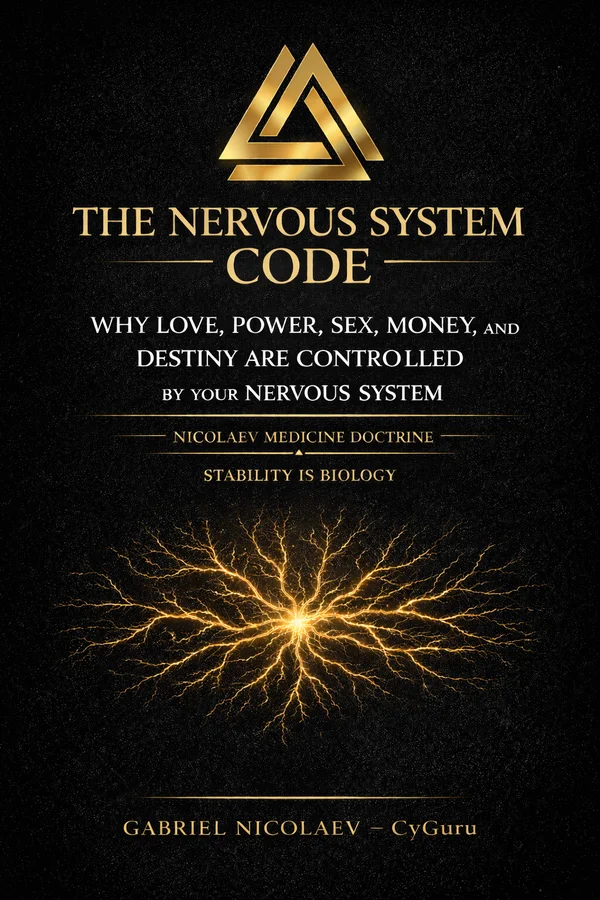
The Nervous System Code
Explore the nervous-system theme in Gabriel Nicolaev’s book collection.
Discover the book ↗Read the book overview →Sources & further reading
Sources consulted 26 October 2026. Editorial frameworks and illustrative examples are identified within the text.