
Distance does not describe the whole walk
Two people complete the same route in twenty minutes. One is carrying a heavy bag uphill; the other is walking on level ground after a rest. Their distance and time match, but those numbers leave out much of the effort. The National Heart, Lung, and Blood Institute describes activity intensity partly through changes in breathing and heart rate. At a moderate intensity, a person can generally talk but cannot sing comfortably. The same activity can demand different effort from different people.[1] This is a way to describe an experience, not a test that establishes whether someone’s heart or lungs are healthy.
Use conversation as a descriptive clue
For an ordinary walk that is already appropriate for you, notice whether you can say a full sentence comfortably or need to pause for breath. Record the observation in plain language. “I could talk while walking on the flat section, but the hill required shorter phrases” tells a more useful story than “my fitness score was poor.” Include the hill, the bag and the weather. Do not deliberately push through symptoms to obtain a stronger result. Reading the Signals Inside the Body explores why noticing a bodily signal and deciding what it means are separate tasks.
Compare similar outings before making a story
Imagine keeping three short notes over a week: route, conditions and conversational effort. If one outing feels different, first check what changed. A faster start, less shade or a different route can make the comparison uneven. A note can help you ask a more precise question; it cannot identify the cause of breathlessness. Keep a separate record of symptoms rather than hiding them inside an overall effort rating. Stop an activity that causes concerning symptoms and seek appropriate medical advice; an informal talk observation is not clearance to continue. Reading a Health Study Before Sharing It applies the same caution to attractive general claims.
Build a useful question rather than a performance verdict
A practical review might read: “On my usual level route I needed more pauses than last week, despite a similar pace. Is this something I should discuss?” That is more actionable than declaring that one walk proved improvement or decline. Use the health writing at MEDICINAS as a starting point for further questions, while keeping personal assessment with a qualified clinician. Breath is a related title in the book collection for readers interested in the breathing theme; it does not turn the talk test into diagnosis or replace individual advice. The value of the record is its clarity about what happened, when and under which conditions.
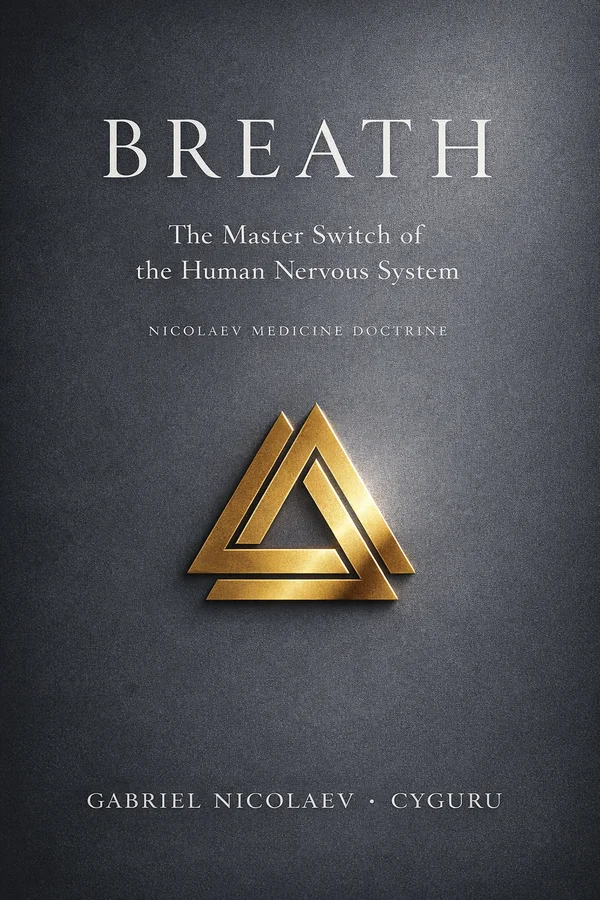
Breath
Explore the breathing theme in the author’s collection.
Discover the book ↗Read the book overview →Sources & further reading
Sources consulted 5 November 2026. Editorial frameworks and illustrative examples are identified within the text.