
The body is part of the conversation
A tight stomach before a meeting, a sense of fullness after a meal or the awareness of a heartbeat can bring the inside of the body into attention. Interoception is the name used for processes through which internal bodily signals are sensed, interpreted, integrated and regulated. The NIH research initiative treats these as connected processes rather than a single special sense. [1] For the broader anatomy, begin with what the nervous system actually controls. The important starting point is precision: noticing an internal sensation and establishing its cause are different tasks. One does not automatically complete the other.
Separate the sensation from the explanation
Consider the sentence: my chest feels tight, so this situation must be dangerous. It contains both an observation and an interpretation. A more useful record keeps them separate: what was noticed, when it began, what was happening and what remains uncertain. This is an editorial observation method, not a diagnostic technique. The same bodily description can occur in different circumstances, and the wording alone cannot identify a condition. New, severe or concerning symptoms need appropriate medical assessment. A person does not have to choose between taking a sensation seriously and remaining careful about the explanation attached to it.
Attention does not make a measurement complete
A useful description may include location, duration and what changed immediately before the experience. Avoid turning every moment into a test of whether the body is behaving correctly. If repeated checking becomes distressing, that pattern itself is worth discussing with a qualified professional. Research on interoception includes processes outside conscious awareness; it is broader than deliberately paying attention to a heartbeat. [2] Understanding that distinction also helps when reading claims about the vagus nerve. A vocabulary for bodily experience can support a clearer conversation without becoming a promise of self-diagnosis.
Bring a better question to the next conversation
Instead of asking what one sensation proves, ask what information would help clarify it. A concise description, relevant circumstances and an account of its effect on daily life are more useful than an elaborate theory assembled from isolated posts. The Nervous System Code is the related reading destination in my collection. Use the book to continue exploring the subject, while keeping personal health questions tied to appropriate assessment. The purpose of learning the term interoception is to make the body–brain conversation more intelligible. It should expand the questions you can ask, rather than make every feeling appear to carry a single hidden answer.
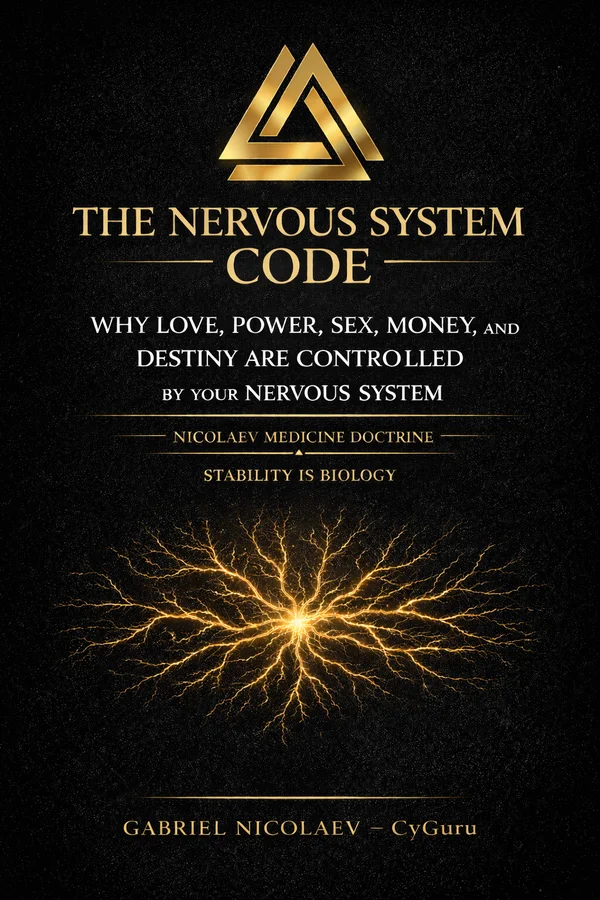
The Nervous System Code
Explore the nervous-system theme in Gabriel Nicolaev’s book collection.
Discover the book ↗Read the book overview →Sources & further reading
Sources consulted 27 October 2026. Editorial frameworks and illustrative examples are identified within the text.