
A powerful phrase can hide several questions
Cellular repair sounds like a single process that could be switched on. In practice, a claim about healthier ageing needs more detail: which cells, which process, which measurement and which outcome? The question is especially useful when a discussion moves rapidly from a laboratory mechanism to a product promise. Begin with the exact claim rather than the reassuring language around it.
Use senescence as a research example
The National Institute on Aging describes research into cellular senescence and efforts to identify and catalogue differences among senescent cells. [1] That work illustrates why precision matters. A research programme exploring a biological process does not establish that any particular supplement reverses ageing. Identifying a target, changing a laboratory measurement and improving meaningful outcomes in people are separate achievements requiring their own evidence.
Follow the steps between mechanism and benefit
When reading a longevity claim, write down the proposed mechanism and the promised benefit separately. Then ask which evidence connects them. Is the result from cells, animals or people? Was the outcome a biomarker or something the person actually experiences? What comparison was made, and what uncertainty remains? This is an editorial reading checklist, not a validated assessment tool. It helps expose the missing step that impressive terminology can conceal.
Make the next reading more precise
Explore the health disciplines at MEDICINAS and keep the research question attached to the relevant source. In this library, the nervous-system introduction and the discussion of complex explanations offer complementary reading habits. The related book below is a route into the author’s wider perspective, rather than evidence that a treatment regenerates cells. A worthwhile health enquiry can remain open while still becoming more specific.
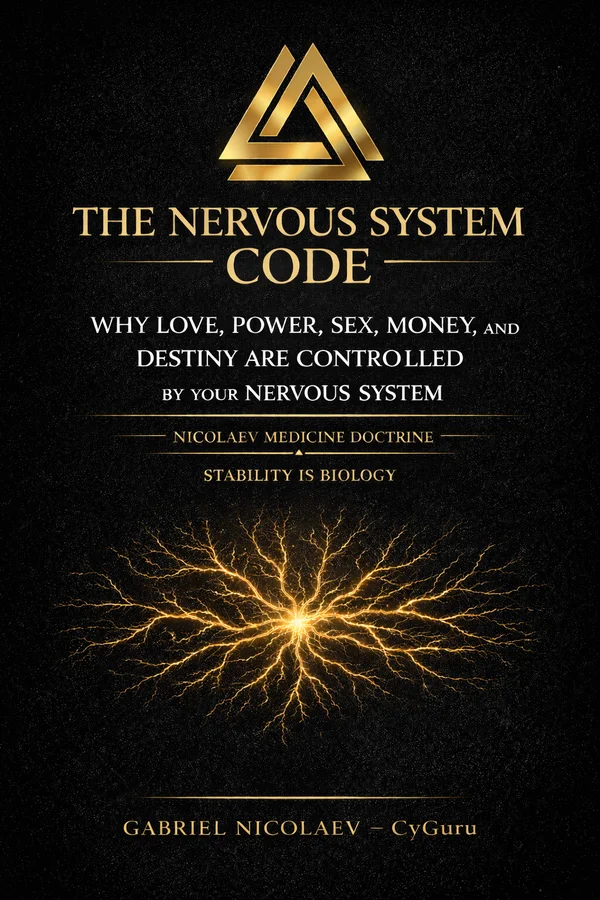
The Nervous System Code
Explore the nervous-system theme in Gabriel Nicolaev’s book collection.
Discover the book ↗Read the book overview →Sources & further reading
Sources consulted 28 October 2026. Editorial frameworks and illustrative examples are identified within the text.