
A topic with two very different conversations
The vagus nerve appears in medical research and in a large amount of wellness content. Those conversations can use similar words while discussing very different interventions. A clinically evaluated stimulation device, a relaxation practice and a claim about an everyday habit should each be assessed on their own terms. Shared vocabulary does not establish that they work through the same mechanism or produce the same result.
What a treatment source actually describes
Mayo Clinic explains vagus nerve stimulation as a treatment involving electrical impulses and describes implanted devices used for specific conditions. [1] The important point for a general reader is the specificity: a defined intervention, a particular use and an individual clinical assessment. A page about such treatment does not establish that a consumer product or an unrelated exercise has equivalent effects. Keep the intervention attached to the evidence being cited.
Questions that expose an exaggerated claim
Ask what is supposed to change, how that change was measured and which people were studied. Then ask whether the promoted practice matches the studied intervention. If a claim moves from one to the other without explaining the difference, the missing step matters. Before paying for a device or programme, separate the scientific background from the evidence for the actual thing being sold. An appealing biological story cannot fill that gap.
A more useful reading path
Start with reliable descriptions of the proposed intervention and its limitations. If the issue is a medical symptom, discuss it with a qualified professional rather than treating an online explanation as a diagnosis. For broader education, use the vagus nerve as a focused topic within the wider nervous system. Understanding a connection is valuable; assigning one nerve responsibility for every difficulty makes the subject less clear.
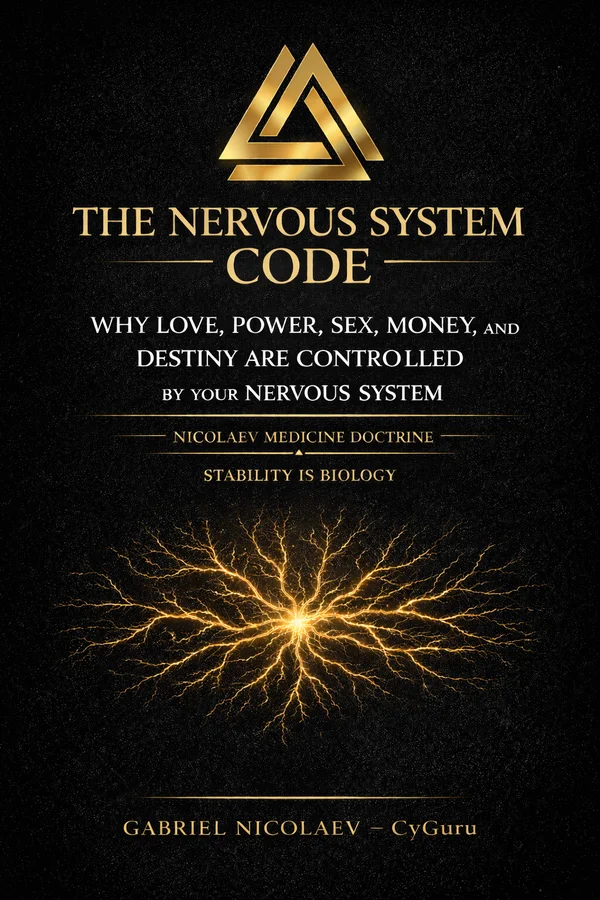
The Nervous System Code
Explore the nervous-system theme in Gabriel Nicolaev’s book collection.
Discover the book ↗Read the book overview →Sources & further reading
Sources consulted 26 October 2026. Editorial frameworks and illustrative examples are identified within the text.