The central structures
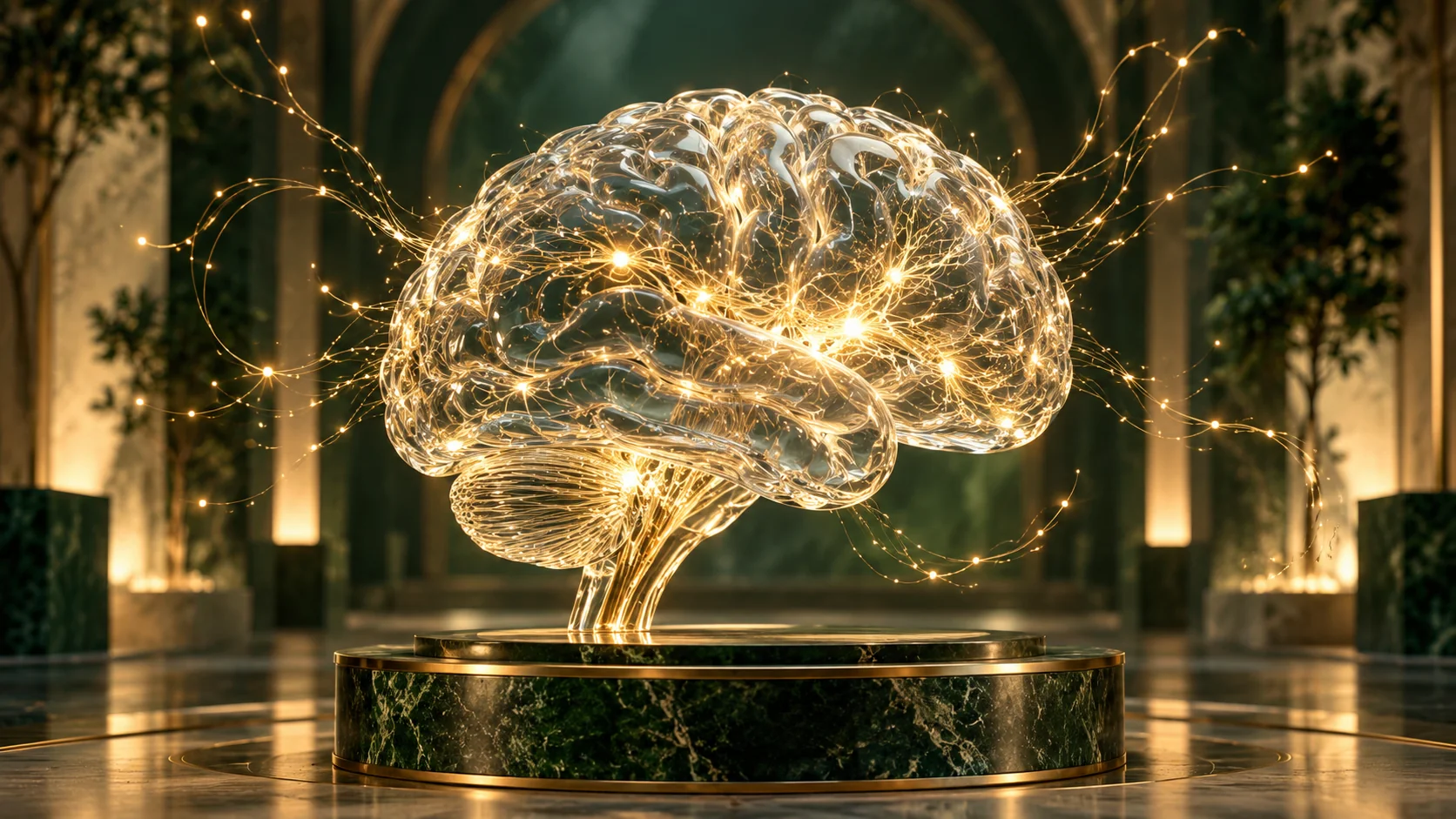
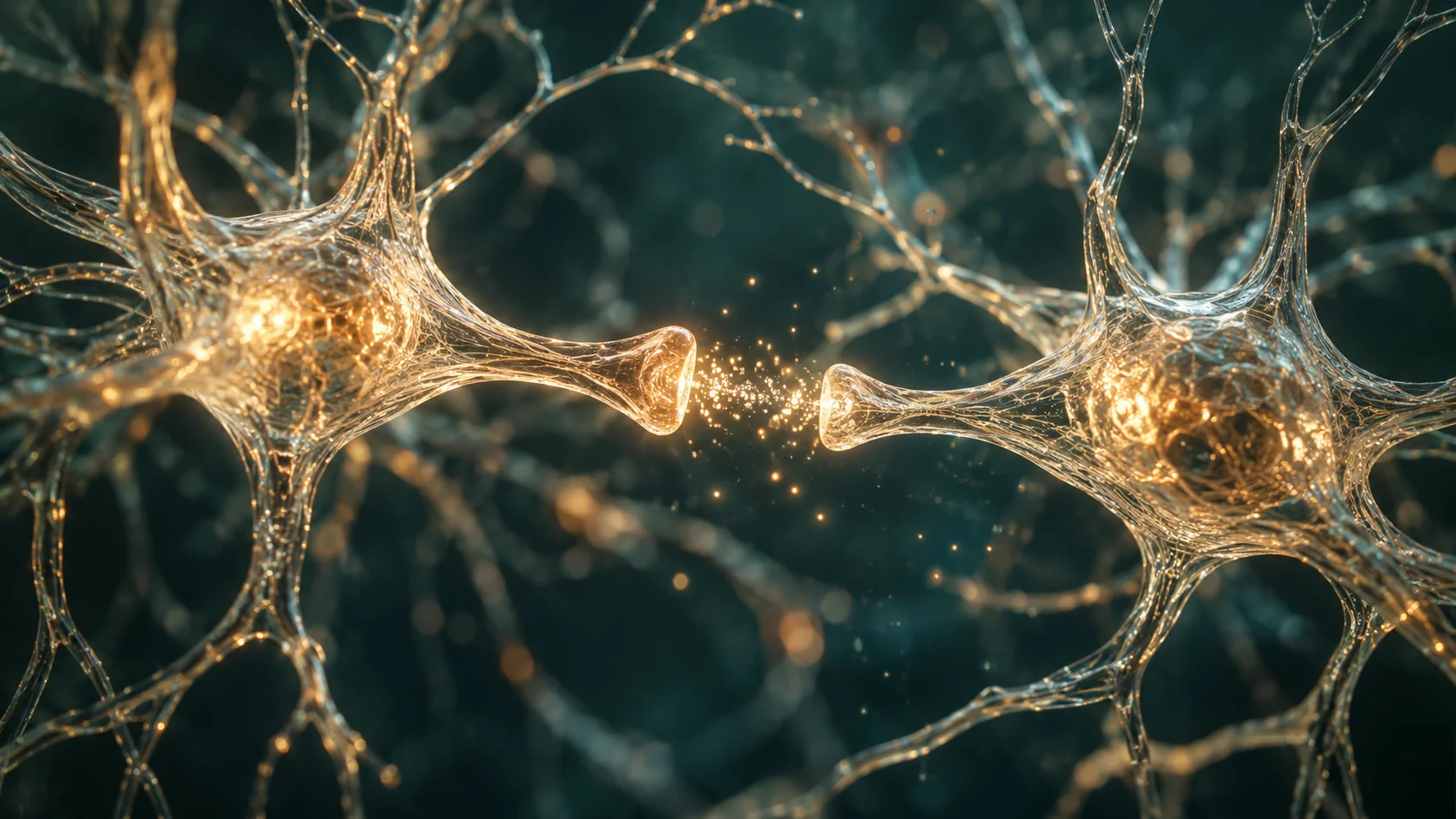
The central nervous system consists of the brain and spinal cord. The peripheral nervous system includes nerves outside those structures. MedlinePlus uses this distinction as the starting point for explaining how the system is organised. [1] These are anatomical categories, not separate personalities or competing control systems. Information and activity link them continuously; understanding one part depends on its connections with the others.
Different questions, different maps
An anatomical question asks where something is. A functional question asks what it does. A clinical question asks what is causing a difficulty in a particular person. Confusing these levels produces explanations that sound more complete than they are. Saying that a sensation involves a peripheral nerve, for example, does not establish why that sensation has changed. The location is one component of an explanation, alongside the relevant history and examination.
A useful analogy, with limits
Picture a transport network with central junctions and routes extending outward. The analogy helps illustrate connection, but it should not be mistaken for a biological model. Nerves are living tissue, and the body is not a system of interchangeable cables. Use the image to remember the broad organisation, then return to the actual terms when asking a scientific or medical question. An analogy should simplify the entry point without taking over the explanation.
How to read the next article
When reading about sleep, digestion, movement or attention, identify which level the author is describing. Is the passage discussing a structure, a signal, an observed behaviour or a diagnosis? This simple check makes it easier to recognise when an explanation moves between categories without showing the evidence. Start with a reliable map, keep the question specific and use professional assessment for a continuing or concerning symptom.
The Nervous System Code
Explore the nervous-system theme in Gabriel Nicolaev’s book collection.
Discover the book ↗Read the book overview →Sources & further reading
Sources consulted 26 October 2026. Editorial frameworks and illustrative examples are identified within the text.