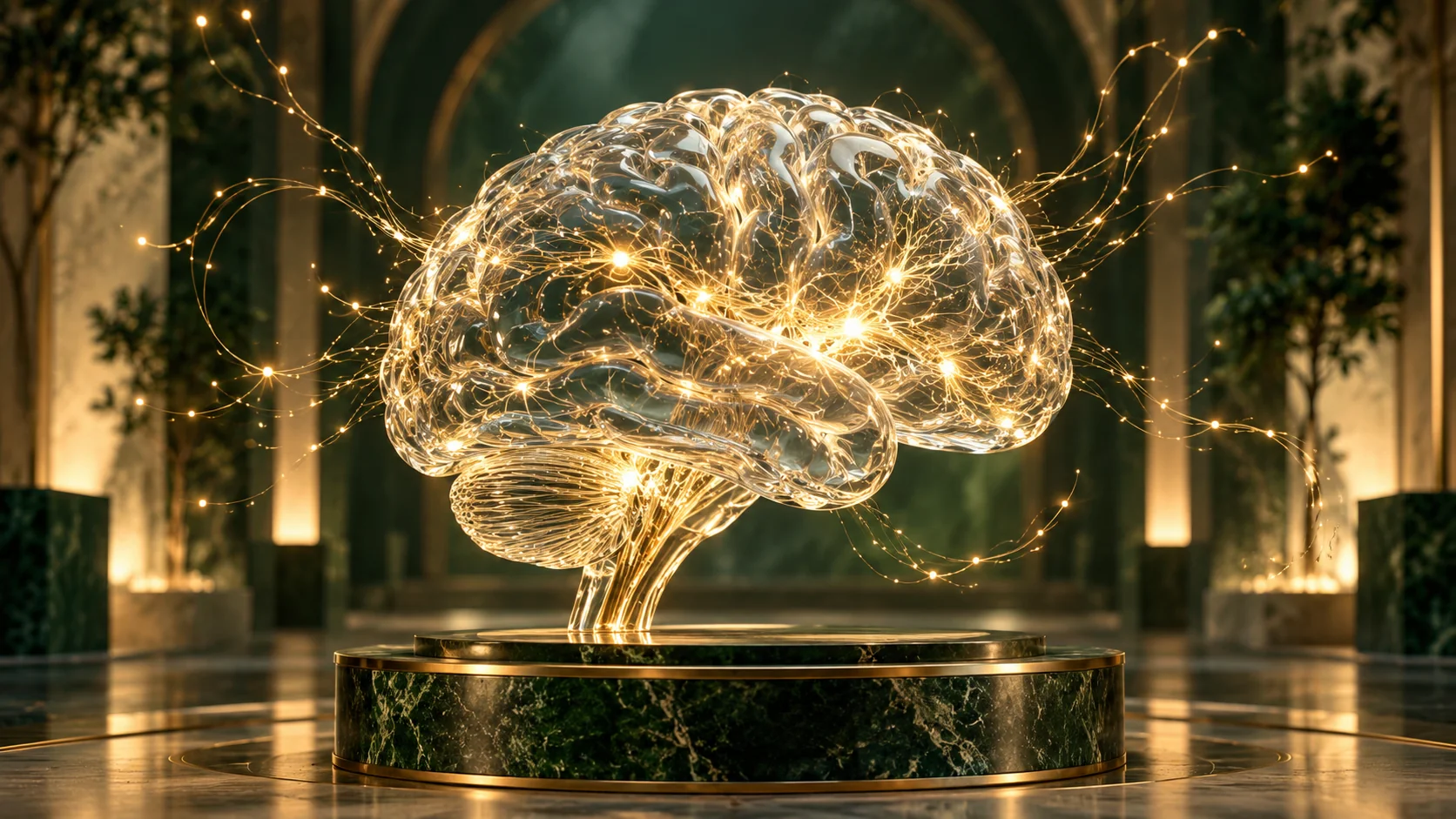
Begin with the connection
Neurons are specialised cells that communicate within the nervous system. NICHD describes electrical signals travelling along a neuron and chemical communication involving neurotransmitters at many synapses. It also explains that supporting cells, called glia, contribute to nervous-system function. [1] This gives the reader a first view of a communication network. It does not reduce thought or behaviour to a single message passing through a single cell.
Why context matters
A scientific explanation asks which cells, signals and conditions are involved. A slogan such as ‘this is just dopamine’ leaves most of those questions unanswered. It may sound precise because it contains a biological term, yet precision depends on the relationship being described. Naming a component without explaining its role is like naming one musician and claiming to have explained an orchestra’s performance. The analogy illustrates the reasoning problem, not a literal model of the brain.
Separate levels of explanation
Imagine someone learning a new task. Their experience can be described as effort, their performance as a series of observable actions, and the biology at a cellular level. Each description can be useful. Moving from one to another requires evidence; the fact that learning has a biological basis does not mean an observer can identify the relevant cellular changes from a brief conversation. Keep the scale of the claim aligned with the scale of the evidence.
Read neuroscience with better questions
When a claim mentions a neurotransmitter, ask what was actually studied: people or another model, a measured response or a reported experience, an association or an intervention. These questions improve understanding without requiring a specialist vocabulary. The goal is to make scientific language more informative. It should help you recognise both the explanatory power of neuroscience and the boundaries of a particular account.
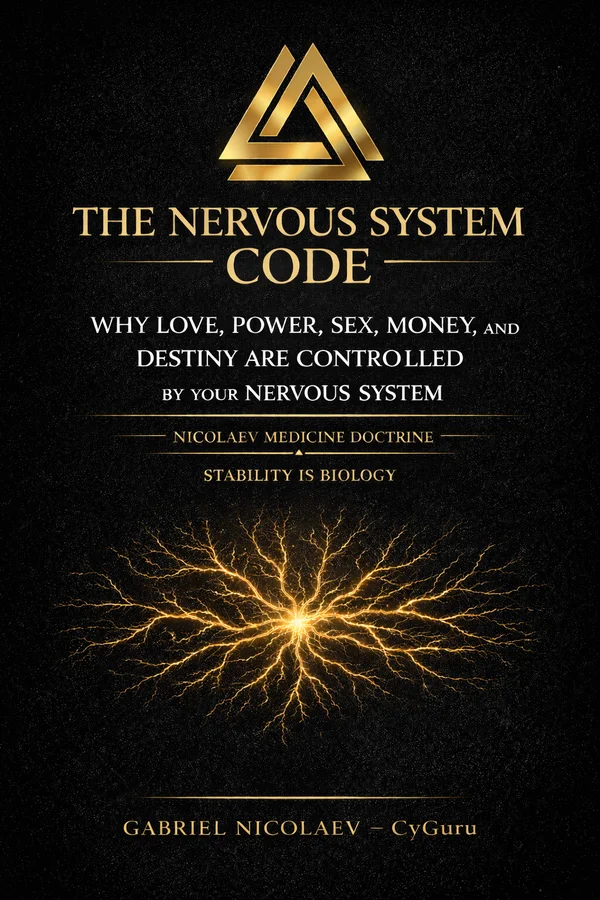
The Nervous System Code
Explore the nervous-system theme in Gabriel Nicolaev’s book collection.
Discover the book ↗Read the book overview →Sources & further reading
Sources consulted 26 October 2026. Editorial frameworks and illustrative examples are identified within the text.