
A changed objective
After a losing order, the objective can shift from following a method to recovering a particular amount. The market question has not necessarily changed, but the trader’s intended outcome has. This article uses the phrase revenge trading as a description of that decision pattern, not as a medical diagnosis. The practical issue is whether the next exposure is justified by current conditions or primarily by the discomfort of the previous result.
Write the next order as if there were no previous trade
State the entry conditions, the invalidation point and the proposed exposure without referring to the earlier loss. If the explanation becomes much weaker when the previous result is removed, that is useful information. It does not prove that the idea will lose. It shows that a different objective may have entered the process. Keep that objective visible rather than disguising it as new analysis.
Use a review boundary
A defined pause for reviewing the order record can prevent the review and the next action from collapsing into one moment. There is no universal interval that guarantees a better decision. The useful boundary is operational: complete the review you require, confirm whether a valid setup exists and document any change in size or method. A rule that is revised immediately to accommodate the urge to recover is difficult to evaluate honestly.
Review exposure, not just emotion
The educational commodities information from Investor.gov is a reminder that the product itself remains part of the analysis. [1] An introspective explanation cannot replace understanding costs and potential losses. The Gold Nervous System Indicator is the associated book destination for readers interested in the human factor around gold. Use that theme to ask more precise questions about behaviour, while keeping the financial terms of each decision independently visible.
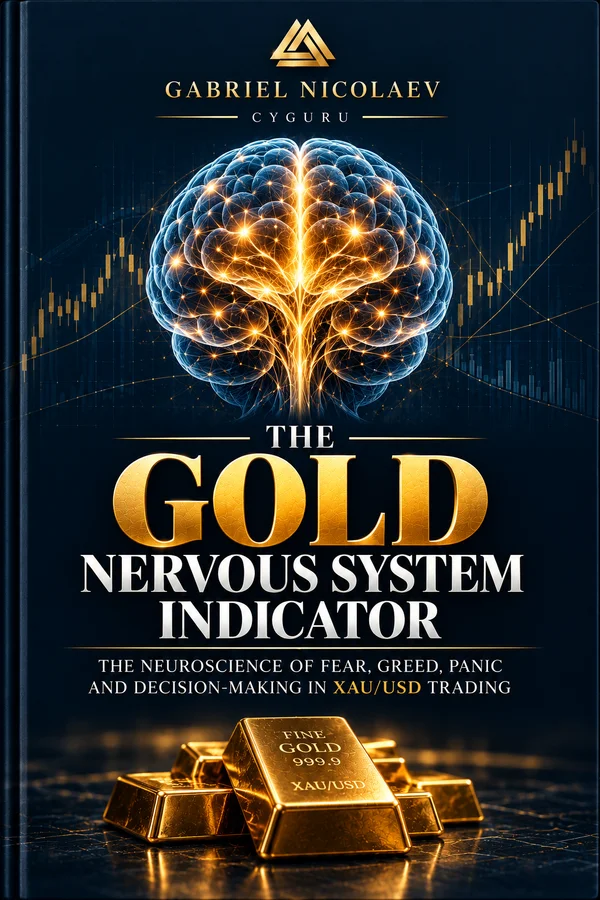
The Gold Nervous System Indicator
Discover the connection between the human factor and gold trading.
Discover the book ↗Read the book overview →Sources & further reading
Sources consulted 26 October 2026. Editorial frameworks and illustrative examples are identified within the text.