
Complexity needs a reference point
A score can combine several inputs, produce a polished display and still leave a basic question unanswered: does it add information beyond a simpler approach? In an NSI research proposal, that question belongs near the beginning, before the appearance of the dashboard becomes part of the argument. NSI is a proposed framework, not an established clinical assessment or a validated promise of trading performance. A comparator is a reference against which a specific claim can be examined. It is not a rival chosen to make the new method look impressive.
Define the outcome before choosing the contest
Start by stating what is being predicted or described. A market movement, a self-reported state and adherence to a trading rule are different outcomes. Their measurement windows and evaluation criteria should not be exchanged after results are known. TRIPOD+AI provides reporting guidance for clinical prediction models, including their development and evaluation.[1] It is cited as methodological context, not as a certification of NSI or a rulebook for trading systems. For this illustrative research design, write the outcome, eligible observations and comparison method in a dated plan. Write the Test Before Seeing the Outcome explains why that prior record matters.
Keep conditions comparable
Imagine comparing a proposed multi-input score with a single pre-specified input. Both should be evaluated on the same eligible observations and outcome definition, with the same information available at the decision time. If one method silently benefits from later information, the comparison is no longer about complexity alone. Document excluded records and how missing inputs are handled. Do not present a numerical superiority result here: none has been established by this hypothetical example. Keep the Test Set Outside the Workshop covers the separate problem of using the evaluation period to tune the method being evaluated.
Report what the comparison cannot establish
Even a carefully conducted favourable comparison would need interpretation. It would not automatically establish a physiological mechanism, suitability for another population or usefulness after trading costs. Separate the measured outcome from the practical decision someone hopes to improve. Retain results that show no meaningful difference, and describe uncertainty rather than substituting a ranking for an explanation. The Gold Nervous System Indicator book offers the connected framework; it does not function as independent confirmation of its own claims. A useful research report allows another reader to understand why the comparator was selected and what would have counted as an unhelpful result, not just why the preferred method deserved attention.
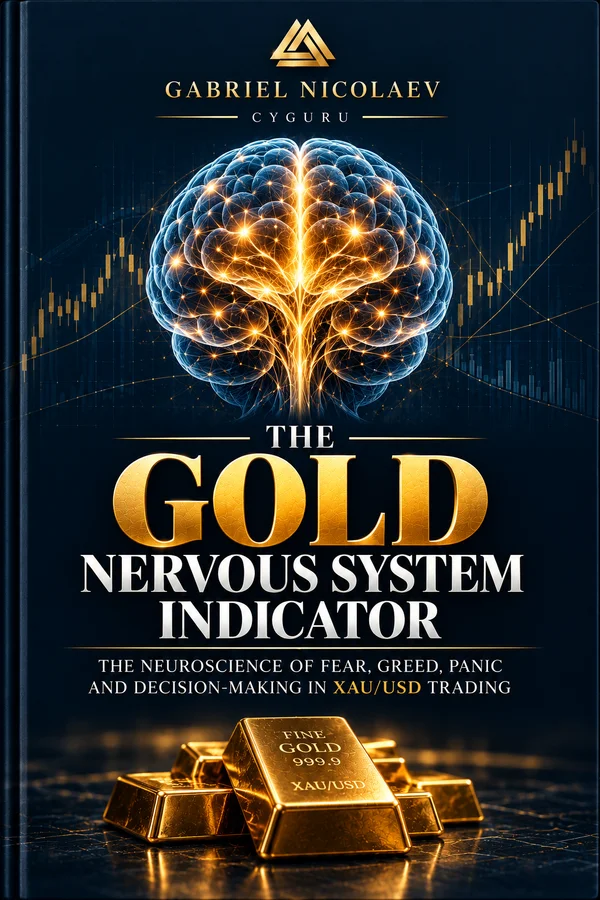
The Gold Nervous System Indicator
Discover the connection between the human factor and gold trading.
Discover the book ↗Read the book overview →Sources & further reading
Sources consulted 3 November 2026. Editorial frameworks and illustrative examples are identified within the text.