
Start with a claim you might actually act on
Choose one claim that could change a decision this week: a health promise, a trading result or a proposal for a new service. Write what the claim would have to mean in order to matter. Then read Reading a Health Study Before Sharing It. Use its questions to separate the people studied, the comparison and the outcome from the appeal of a headline. You are not required to reject the claim. The first task is to make it specific enough that evidence could support, qualify or contradict it. Keep that sentence beside your notes through the rest of the route.
Ask what was observed before deciding what it proves
Continue to Define the Measure Before Naming the Score. Although its context is a proposed trading-research framework, the reading question is broader: what does the number actually represent? A questionnaire response, a device output and a financial result are different observations. Do not import one conclusion merely because another observation shares its vocabulary. Write an evidence card with four fields: observation, method, interpretation and unresolved question. This card is a reading exercise, not a validation tool. It prevents a striking label from doing all the explanatory work while the measurement remains undefined.
Return the conclusion to the time of the decision
Next read Read a Biography as a Decision Timeline. Its useful challenge is to ask what could have been known before the ending was visible. Apply that question to your selected claim: would the same reasoning have been recorded before seeing the outcome? Separate information available at the time from explanations added later. If your note only says the decision was right because it worked, write down which alternatives and uncertainties have disappeared from the story. The aim is a clearer account of the reasoning, not a claim that every uncertain decision could have been made predictable.
Finish with the smallest responsible next commitment
Complete the route with Before a Business Pilot Begins, Define Its Ending. For an ordinary reversible work proposal, identify the question a limited trial would answer, the resources it requires and the point at which you would stop or revise it. Do not turn this into unsupervised medical experimentation or assume every financial risk is reversible. Some questions require professional assessment rather than a personal trial. Decision is the companion book for reflecting on the commitments behind a choice, and the CYGURU collection provides further reading. A useful final page contains a bounded question, its evidence gap and an appropriate next step, not a universal promise extracted from four articles.
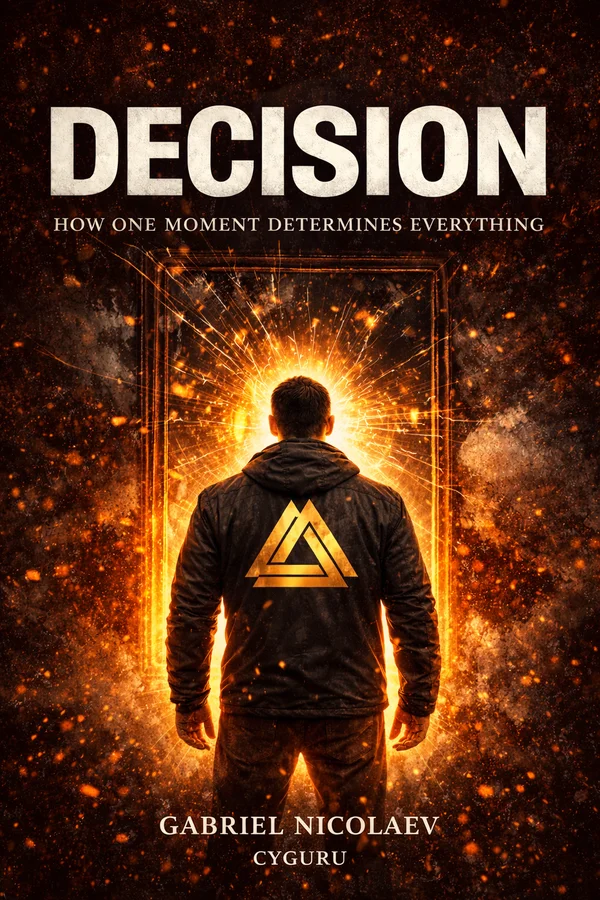
Decision
Continue exploring the choices behind personal and professional direction.
Discover the book ↗Read the book overview →Sources & further reading
Sources consulted 8 November 2026. Editorial frameworks and illustrative examples are identified within the text.