
Name the permission before trying to remove it
Someone finishes using a decentralised application and disconnects the wallet. Later, they assume that all permissions associated with the visit have disappeared. The problem is that a connection and a token allowance are different objects. MetaMask’s documentation explicitly distinguishes disconnecting an application from revoking its allowance.[1] The practical question is not whether the app is still visible in a browser tab. It is what permission was signed, for which account, token, network and recipient. This article explains that distinction; it does not initiate a transaction or endorse a particular revocation service.
Read the scope of the allowance
A token approval can authorise a contract or other spender to move a specified amount of a token. MetaMask describes spending caps and warns that very large allowances can expose more of a token holding than a user intended.[2] Treat the permission as a scoped instruction rather than a general trust badge. Do not assume every token or network uses the same approval model. Record the spender address, token contract, network and cap using a trusted interface. Who Controls Access? supplies the related custody questions, which remain distinct from the permissions granted to an application.
Verify the review route independently
A message offering to clean or protect a wallet may itself be a lure. Obtain the approval-review interface through official documentation you independently navigate to, rather than signing from an unsolicited direct message. Confirm the selected account and network before interpreting the list. MetaMask notes that revocation is an on-chain action with network fees.[1] A successful revocation should be checked against the actual transaction result; closing a popup is not confirmation. Never disclose a recovery phrase to perform an allowance review. Verify the Contact explains why a familiar logo cannot establish that a request is legitimate.
Do not turn revocation into a recovery promise
Revoking a permission concerns future authority under that permission. It is not a mechanism that guarantees the return of assets already transferred. If a wallet may be compromised, an allowance list alone cannot establish that the account is secure; the appropriate response depends on what was exposed. Keep records for legitimate support without publishing sensitive access information. Crypto in the UAE offers a connected regional reading route, while the cited wallet documentation addresses the technical distinction discussed here. Neither a familiar book nor a successful past transfer makes a new signature safe. Review the precise request instead of treating all wallet interactions as one undifferentiated action.
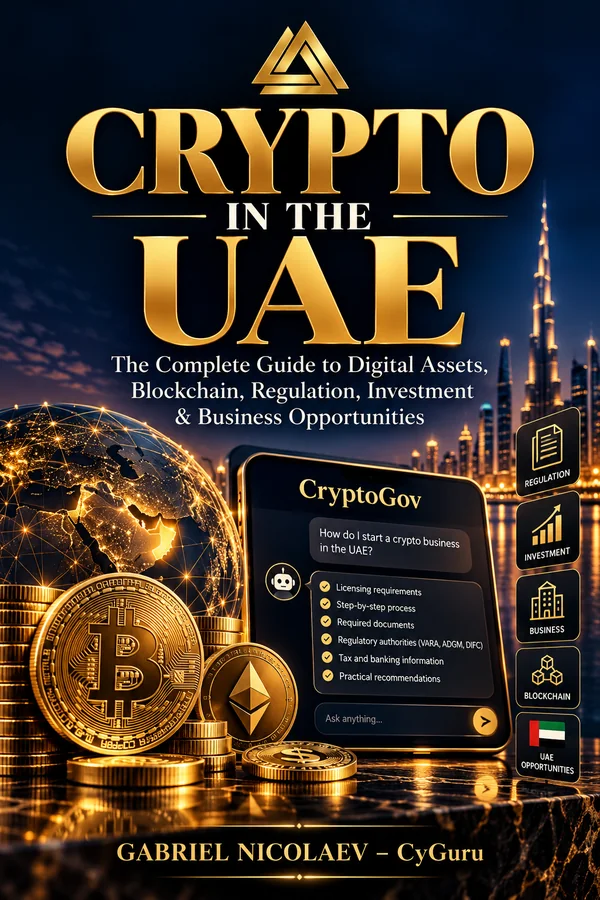
Crypto in the UAE
Explore the UAE digital asset landscape.
Discover the book ↗Read the book overview →Sources & further reading
- MetaMask — Revoking smart contract allowances and token approvals ↗
- MetaMask — Managing spending caps ↗
Sources consulted 3 November 2026. Editorial frameworks and illustrative examples are identified within the text.